Why visit Serengeti National Park?
Serengeti National Park is the anchor of many northern Tanzania safaris because of its scale, year-round predator and plains-game viewing, and connection to the wider Serengeti–Mara ecosystem. A strong Serengeti itinerary is not simply about entering the park; it is about choosing the right area, allowing enough time and matching the route to the season.
Wildlife beyond the Great Migration
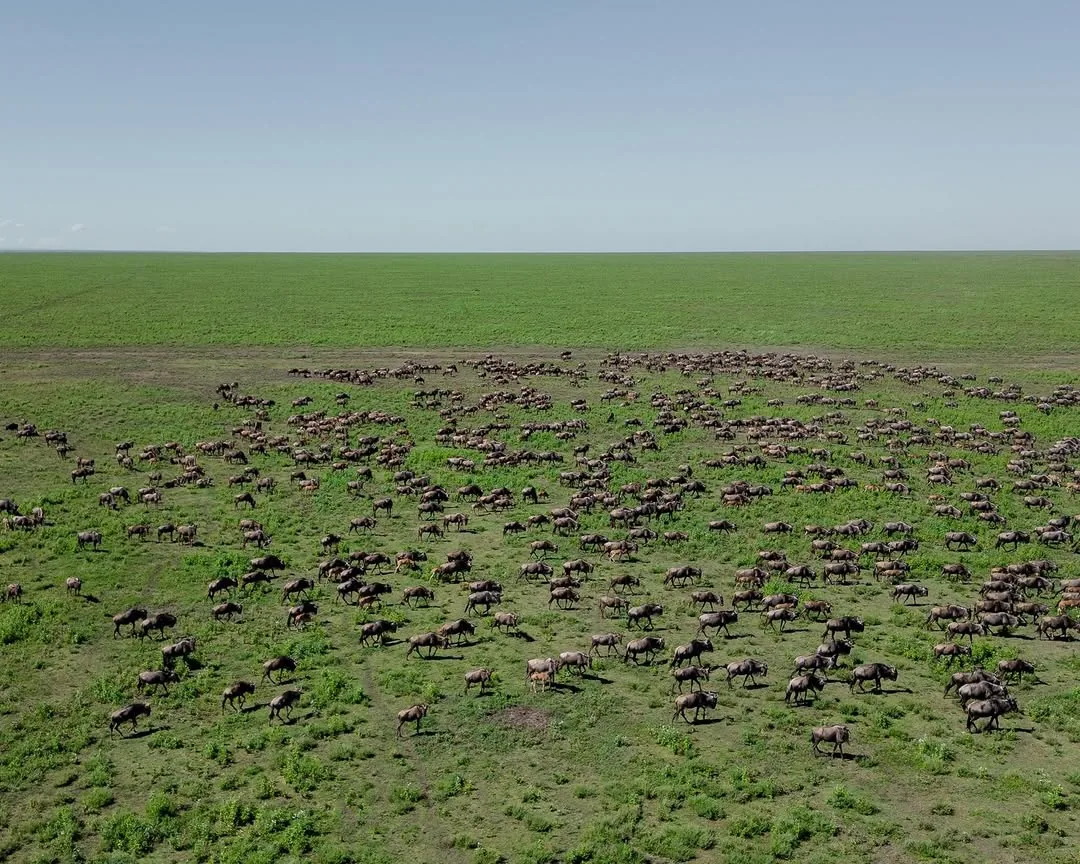
The Great Migration is a major reason travellers choose the Serengeti, but the park is not a seasonal one-attraction destination. Lions, leopards, cheetahs, elephants, giraffes, buffalo, hyenas and many antelope species can be encountered across different habitats. This resident wildlife is why a Serengeti safari can remain rewarding even when the largest wildebeest concentrations are elsewhere in the ecosystem.
Central Serengeti and Seronera
Central Serengeti is one of the most practical areas for year-round safari planning. The Seronera region has permanent water, varied habitats and good connections to other parts of the park. It is often the strongest choice when travel dates do not justify building the entire itinerary around a seasonal migration location.
Northern Serengeti
Northern Serengeti becomes especially important when migration planning is focused on the far north of the ecosystem. River systems, woodland and rolling landscapes create a different safari feel from the central plains. Migration sightings can never be guaranteed to a fixed date or place, so routing should be based on current seasonal patterns rather than marketing promises.
Western Corridor
The Western Corridor follows the Grumeti area and is a distinct part of the Serengeti ecosystem. It can become important in seasonal migration planning and also supports resident wildlife. Because distances inside the Serengeti are substantial, western-focused itineraries need enough time to avoid turning the trip into a series of long transfers.
Southern Serengeti and Ndutu
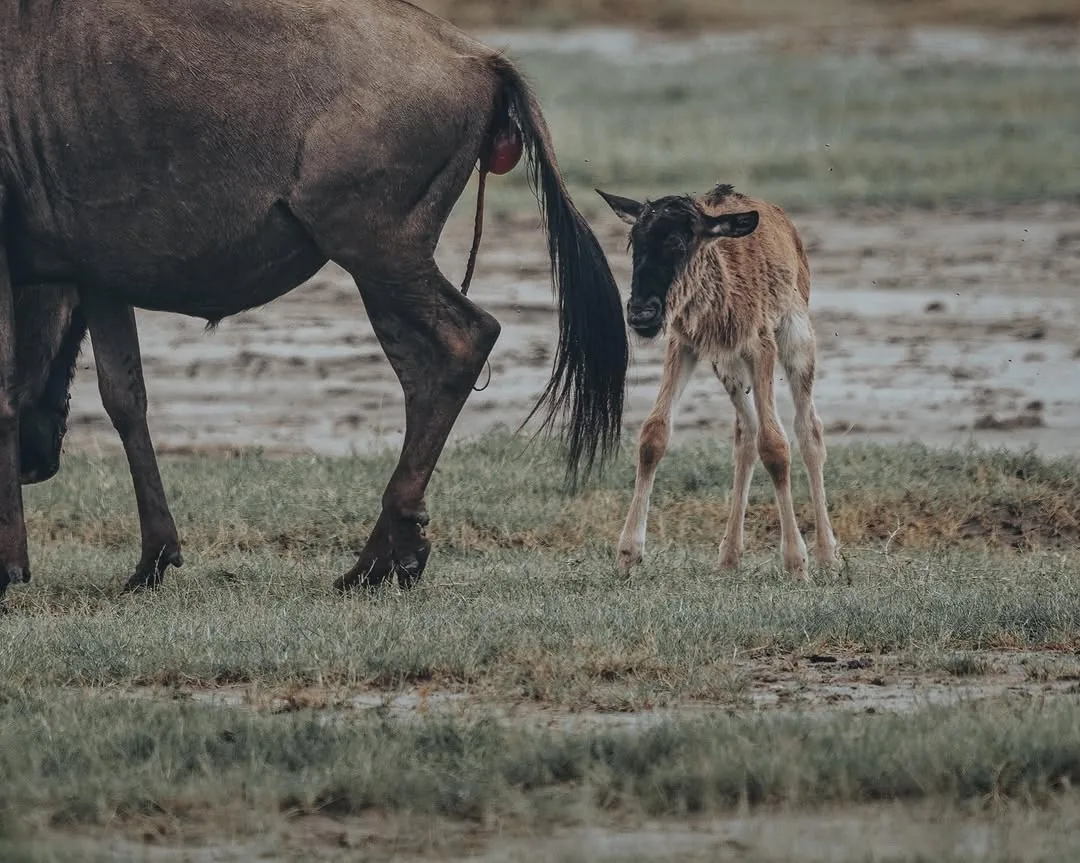
The southern ecosystem and Ndutu area are associated with the green-season calving period and predator activity. The exact distribution of herds follows rainfall and grazing conditions. Travellers interested in this period should plan the route around seasonal access and realistic daily driving.
Best time for a Serengeti safari
There is no single best month for every traveller. The strongest period depends on whether the priority is general wildlife, migration movement, calving, river-crossing season, photography, lower visitor numbers or a wider northern-circuit journey. AfroEast can match the itinerary to the actual travel month rather than forcing one route year-round.
How many days should you spend in Serengeti?
Two nights can provide an introduction when the wider itinerary is short, but three or more nights usually create a more relaxed experience and allow better use of different wildlife areas. Travellers moving between distant Serengeti sectors should allow additional time.
Getting to Serengeti
Road itineraries commonly reach Serengeti through the Ngorongoro highlands, while scheduled or charter flights can reduce long transfers for some journeys. Fly-in options can be especially useful when time is limited or when combining distant regions.
Serengeti activities and accommodation styles
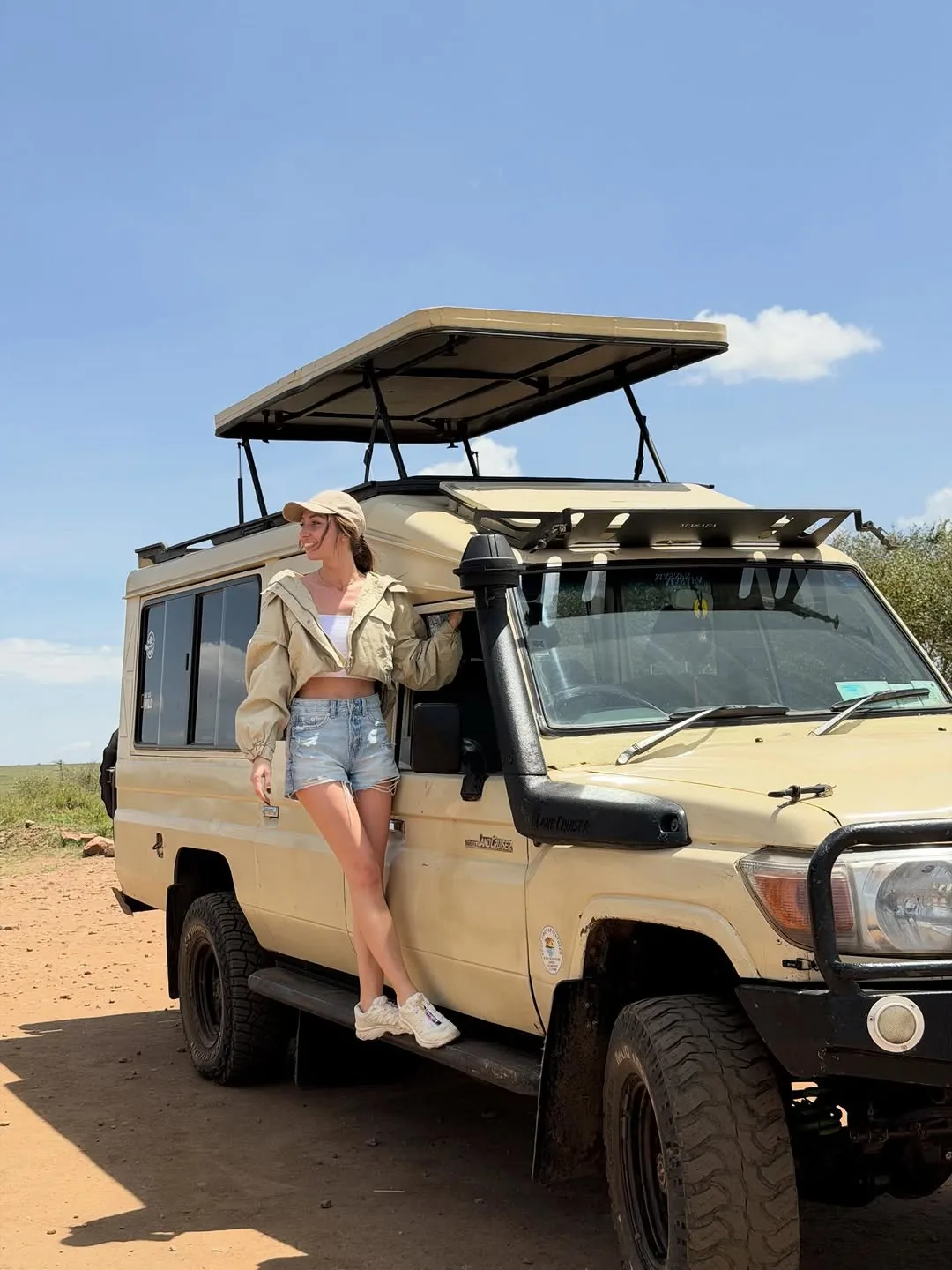
Game drives are the core safari activity. Depending on the itinerary and current availability, travellers may also consider balloon experiences or other permitted activities. Accommodation ranges from mobile and seasonal camps to permanent tented camps and lodges, and the right style depends on budget, location and the amount of time spent inside the park.
Combine Serengeti with Ngorongoro, Tarangire or Zanzibar
Serengeti combines naturally with Ngorongoro, Tarangire and Lake Manyara. Longer journeys can also continue to Zanzibar. The best combination is the one that protects actual safari time rather than adding destinations purely to lengthen the itinerary.
Planning notes
Choose the Serengeti area around your travel month and trip priorities. Avoid building a migration itinerary around a guaranteed sighting at a fixed place.