Looking for a Mkomazi National Park safari in Tanzania? Discover a quieter wildlife destination where endangered-species conservation, distinctive antelope and sweeping mountain-backed scenery are part of the journey. This guide covers what to see, when to travel and how to plan a rewarding visit with AfroEast Adventures.
Why visit Mkomazi National Park?
Mkomazi is for travelers who want Tanzania to feel expansive again: thornbush plains, distant mountain silhouettes, quiet game-viewing tracks and time to notice wildlife beyond the usual safari checklist. Set in northeastern Tanzania near the Kenyan border, the park forms part of a wider landscape connected to the Tsavo ecosystem.
Unlike the busier northern safari stops, a Mkomazi safari rewards patience. The attraction is not a promise of constant big-cat sightings; it is the combination of conservation, unusual dry-country species and an unhurried wilderness atmosphere. For visitors based in Moshi or exploring northern Tanzania, it can be a compelling alternative or extension.
Black rhino sanctuary and conservation
Mkomazi is especially associated with the protection and recovery of the endangered eastern black rhinoceros. Its conservation story also includes work with African wild dogs, one of the continent’s most threatened carnivores.
A black rhino sanctuary experience should be treated as a pre-arranged specialist activity, not an automatic inclusion in every game drive. Access, visiting rules and availability can change, and even permitted visits do not guarantee a particular sighting. We recommend confirming arrangements with the park authority before a safari is finalized.
Wildlife you may encounter
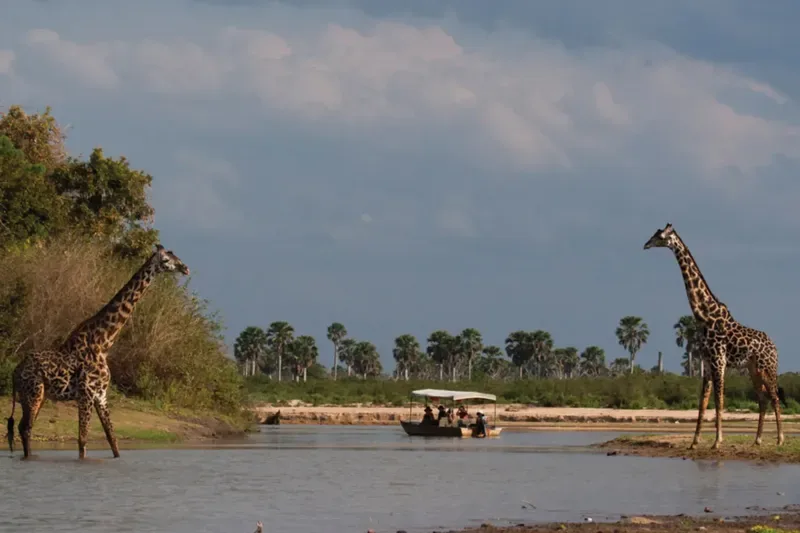
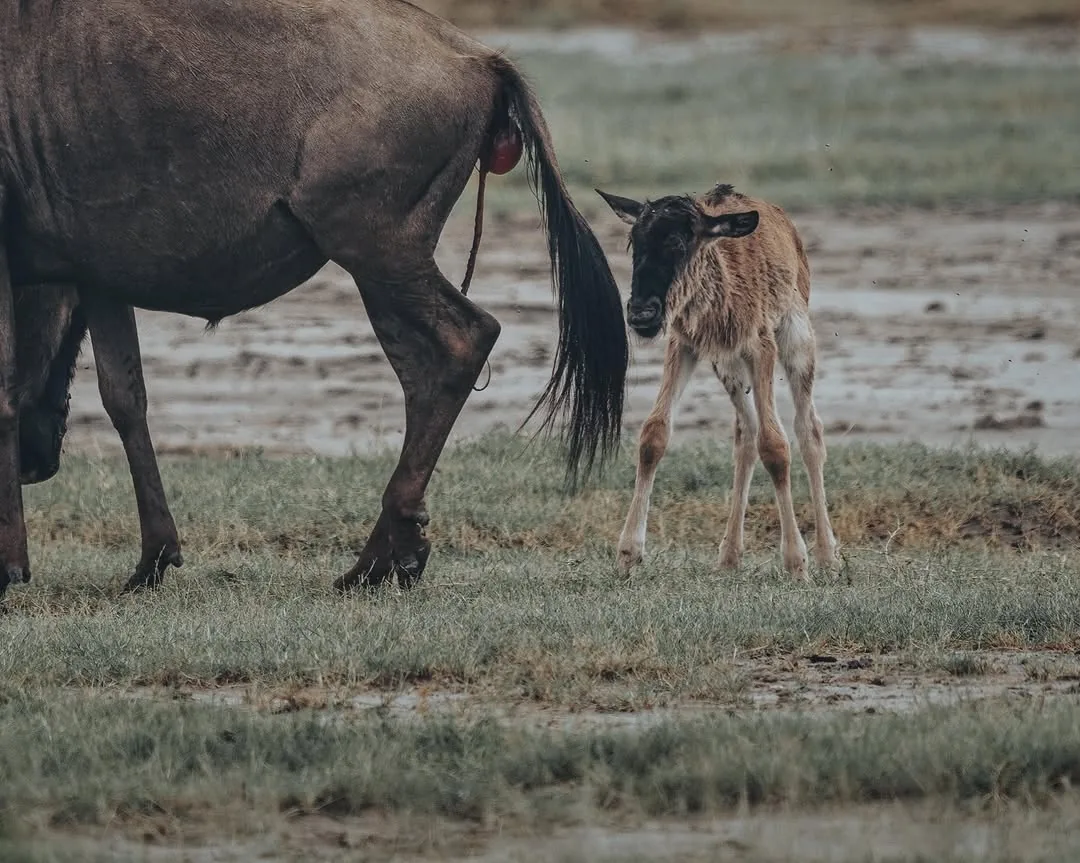
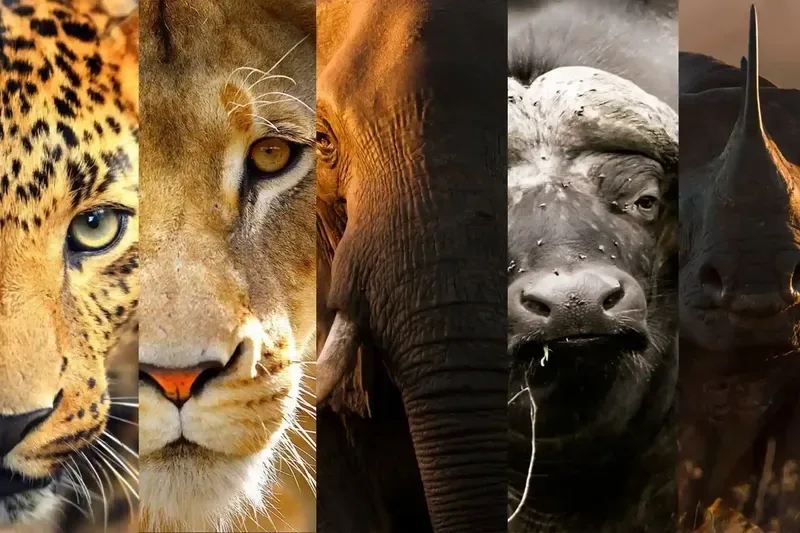
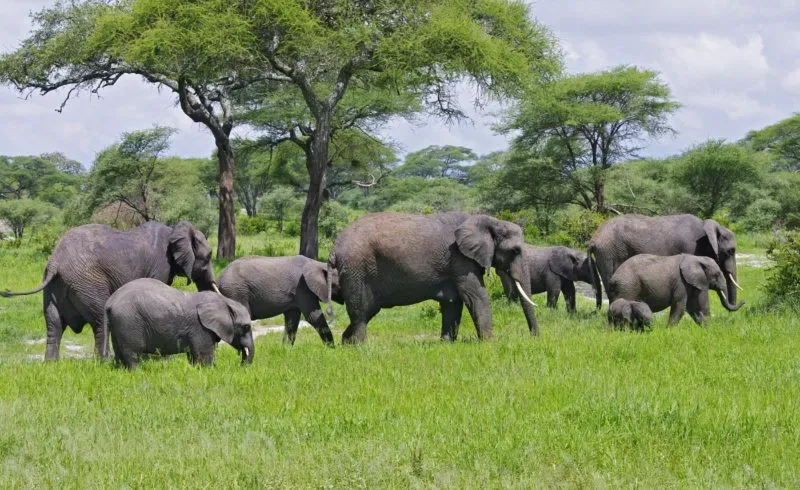
The semi-arid habitat supports giraffes, zebras, elands, elephants, buffaloes and a variety of antelope. Among the most distinctive are the long-necked gerenuk, fringe-eared oryx and lesser kudu—species that give Mkomazi a different wildlife character from the Serengeti or Ngorongoro Crater.
Lions, leopards and African wild dogs are associated with the broader ecosystem, but sightings are unpredictable. Birdwatchers can look for ostriches, secretary birds, kori bustards and other dry-country species. The pleasure is in watching habitats change and letting your guide interpret the tracks, birds and smaller details along the way.
Landscape and photography
Open savannah, acacia and commiphora scrub, rocky hills and scattered baobabs create strong photographic compositions. The Pare and Usambara mountain ranges frame parts of the landscape, while Mount Kilimanjaro may be visible on clear days.
Photographers who enjoy texture, light and spacious scenery—not only close-up wildlife portraits—will find much to explore. Early and late light can be rewarding, subject to park operating rules and the timing of your itinerary.
Things to do on a Mkomazi safari
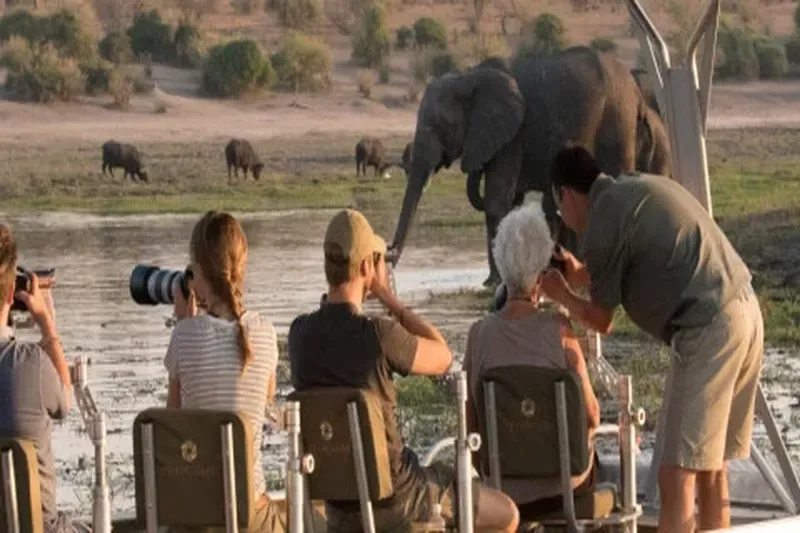
Game drives are the core experience. A well-paced drive allows time for wildlife observation, birdwatching and scenic stops where permitted. Depending on current park regulations and guide availability, other experiences may include authorized guided walks or conservation-focused visits.
If rhino conservation is your main reason for coming, mention it when requesting an itinerary. We can plan around the need to verify sanctuary access instead of presenting it as a guaranteed stop.
Best time to visit Mkomazi National Park
June through October is generally the most straightforward period for wildlife viewing: drier vegetation often makes animals easier to spot, and water sources can draw wildlife into more visible areas. This does not mean every species will be seen.
The greener months bring changing colors, birdlife and a different photographic mood. Rain can affect driving conditions and the practicality of certain routes, especially during heavier wet periods. The best month depends on whether your priority is wildlife, birds, landscapes or a quieter journey.
How to get to Mkomazi from Moshi or Arusha
Mkomazi is reached by road through the Same area in northeastern Tanzania. Zange Gate is a commonly used access point. It is possible to design an itinerary starting in Moshi, Arusha or another suitable location, but travel times depend on the exact route, gate, stops and conditions.
Because a safari includes time inside the park—not just the drive to the entrance—we recommend allowing enough time to avoid a rushed visit. If you are arriving via Kilimanjaro International Airport or connecting Mkomazi with another destination, the order of stops should be planned around your arrival time and interests.
How many days do you need?
A one-day visit can introduce the landscape if you start from a practical location and accept a focused schedule. Two days allow a more relaxed game-viewing rhythm. Three days can make sense for wildlife enthusiasts, photographers or travelers combining conservation interests with a wider northeastern Tanzania route.
We will add specific Mkomazi itinerary cards to this destination page after the individual tours are created and their routes and inclusions have been reviewed.
Where to stay and what to prepare
Accommodation choices vary by travel style and availability, from designated camping arrangements to stays in or around the wider Same and Moshi areas. Do not assume a particular lodge or campsite is included until it is named in your confirmed proposal.
Bring sun protection, drinking water, neutral-colored clothing, binoculars and a camera if you enjoy wildlife photography. Ask about park fees, entry arrangements, specialist activity permissions, accessibility needs and seasonal road conditions before departure.
Is Mkomazi right for your safari?
Choose Mkomazi if you value quieter game drives, conservation stories, birdlife, unusual antelope and the sense of exploring a less-visited corner of Tanzania. It can also appeal to repeat safari travelers who have already seen the famous northern parks.
If your only goal is the highest possible density of large wildlife sightings over a short period, another park may better match your expectations. AfroEast Adventures can help compare options and build a realistic itinerary rather than overselling any single destination.
Mkomazi National Park safari FAQs
Where is Mkomazi National Park located?
Mkomazi lies in northeastern Tanzania, across the Kilimanjaro and Tanga regions, near the border with Kenya and the wider Tsavo ecosystem.
What is Mkomazi National Park famous for?
It is particularly known for eastern black rhino conservation, African wild dog conservation, dry-country wildlife such as gerenuk and oryx, and quieter safari landscapes.
Can I see black rhinos in Mkomazi?
Mkomazi has a black rhino sanctuary, but visits are subject to current permissions and arrangements. Sightings should never be guaranteed; confirm access before booking.
When is the best time for a Mkomazi safari?
June to October is often preferred for easier wildlife viewing. The green season offers different scenery and birdwatching opportunities, with more variable road conditions.
How do I get to Mkomazi National Park from Moshi?
Travel is generally by road toward Same and a designated park gate such as Zange. Exact transfer time depends on your pickup location and road conditions.
How many days should I spend in Mkomazi?
One day offers an introduction, while two to three days provide more time for wildlife, scenery and any pre-arranged conservation experiences.
Is Mkomazi suitable for a family safari?
It can be, depending on ages, travel time, accommodation and interests. Discuss family needs and activity restrictions before confirming a trip.
Can Mkomazi be combined with other Tanzania destinations?
Yes. It can be considered as part of a customized northeastern or northern Tanzania itinerary, provided road distances and travel pace are practical.
Plan your Mkomazi safari with AfroEast Adventures
Tell us your preferred dates, starting location, group size and whether your priority is wildlife photography, birdwatching, family travel or conservation. We can propose a realistic route, explain what is included and confirm any specialist visits before you commit. Every itinerary is tailored; wildlife sightings, accommodation and sanctuary access are not guaranteed.
Planning notes
Plan park entry, transport, guiding, any rhino sanctuary access and accommodation before travel. Sightings and specialist visits cannot be guaranteed. Ask AfroEast Adventures for a route tailored to your dates, interests and starting point.