Why Visit Kitulo National Park?
Some Tanzanian journeys are defined by the search for lions or elephants. Kitulo offers a different kind of safari: open highland skies, rolling grasslands, flowering plants and the quiet pleasure of exploring a mountain plateau on foot. Located in Tanzania’s Southern Highlands, Kitulo National Park rewards travellers who enjoy landscapes, botany, birdlife, photography and unhurried nature walks.
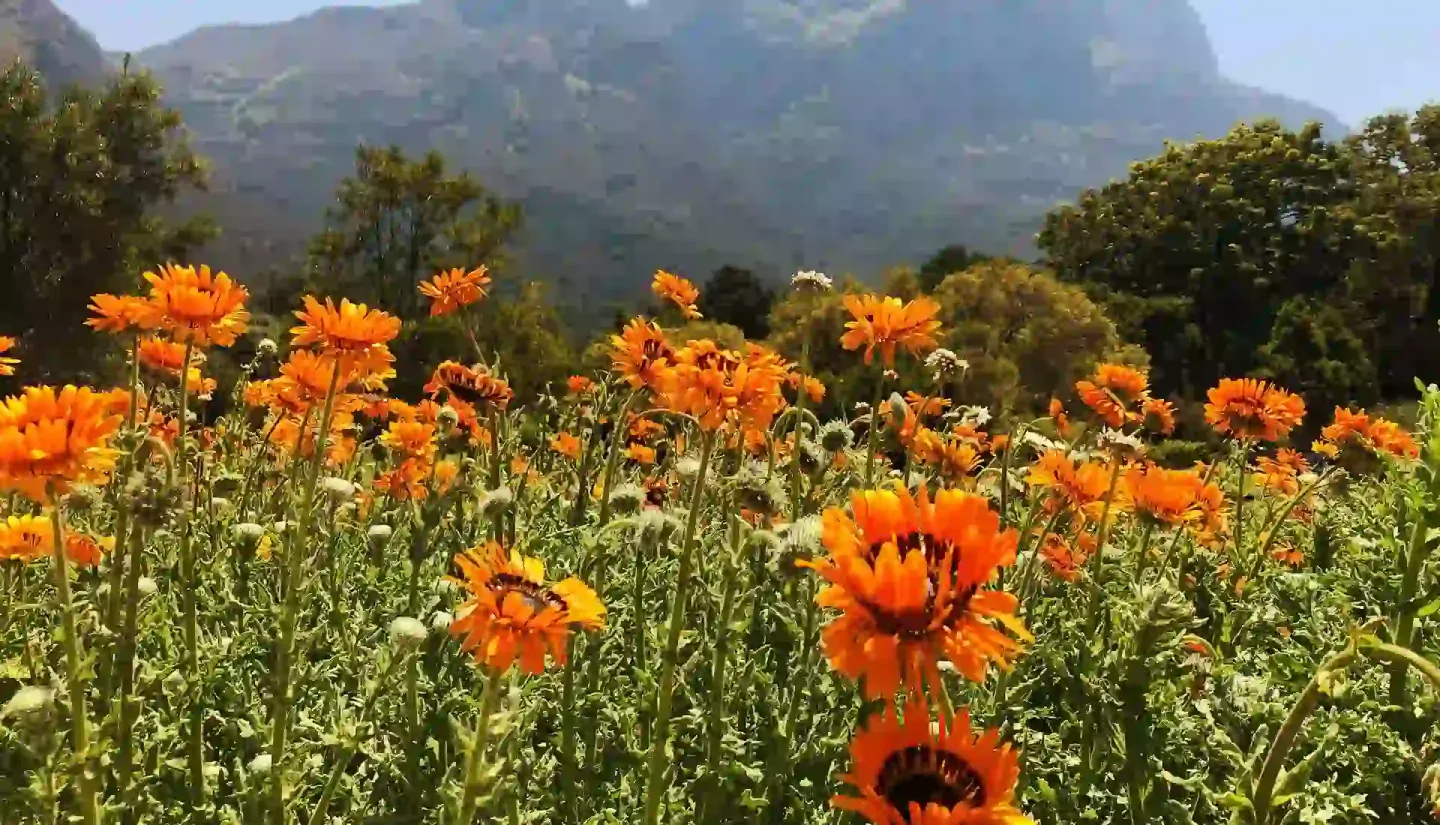
Often associated with the nickname “Garden of God”, the park is especially known for its seasonal wildflower displays. The experience is not a conventional vehicle-based wildlife safari; it is a chance to discover a less-travelled side of Tanzania with an itinerary shaped around the weather, walking ability and natural history interests of your group.
Kitulo Wildflower Season: When Is the Best Time to Visit?
The best time to see Kitulo’s famous wildflowers is generally during the rainy growing season, often from around December through April. Exact bloom timing, colour and coverage change with rainfall, temperature and conditions in a particular year. No operator can guarantee a specific flowering display on a fixed date.
For travellers prioritising easier access and walking conditions, drier periods may be preferable, but the landscape can look quite different from the peak flowering season. The best month therefore depends on whether your priority is flowers, photography, hiking comfort or a wider Southern Tanzania route.
What Can You See in Kitulo?
Montane grasslands and wildflowers. The plateau supports a rich range of flowering plants, including orchids and other highland species. Their visibility depends on the season; visitors should avoid picking flowers or leaving established walking routes.
Birdlife. Highland grasslands and nearby habitats provide rewarding birdwatching opportunities. A knowledgeable local guide can help visitors observe and identify birds without disturbing sensitive habitats.
Panoramic scenery. Sweeping ridgelines, mist, changing light and wide views make Kitulo attractive to landscape photographers. Conditions can shift quickly at elevation, so layered clothing and weather protection are essential.
Things to Do in Kitulo National Park
- Guided nature walks: Explore suitable routes at a pace matched to your group’s fitness and the day’s conditions.
- Wildflower and botanical photography: Allow time for close observation and careful, low-impact photography.
- Birdwatching: Visit habitats with a guide who understands seasonal sightings and conservation etiquette.
- Landscape photography: Work with the plateau’s open horizons, cloud formations and shifting light.
- Southern Highlands extension: Combine Kitulo with other regional experiences where road access and available days make the route practical.
How to Get to Kitulo National Park
Kitulo is in the Southern Highlands of Tanzania. Many visitors plan access through Mbeya and the surrounding highland road network. Actual journey times depend on your starting point, the route selected, the season and road conditions. Rather than relying on a fixed transfer estimate, ask your operator to confirm the current access route, vehicle requirements and time available for walking after arrival.
Because this is a highland environment, weather can affect visibility, road surfaces and outdoor plans. A flexible itinerary is particularly useful during the wet-season flowering months.
How Many Days Do You Need?
A two- to three-day Kitulo visit can suit travellers who want time for at least one substantial nature outing without rushing long road transfers. The right duration depends on where the journey begins, how much walking you want to do and whether you are adding another Southern Tanzania destination.
For a dedicated short break, a three-day plan can allow travel, a full day focused on the park and a return journey. The final schedule should be built around confirmed access and accommodation rather than a generic safari timetable.
Where to Stay and What to Pack
Accommodation choices may be outside the park or in nearby Southern Highlands towns, depending on availability and your preferred comfort level. Confirm the exact property, transfer route and included meals before booking.
Bring sturdy walking shoes, a waterproof outer layer, warm clothing for cool highland conditions, sun protection, drinking water and a camera or binoculars. If you are interested in plants, consider a field guide or a specialist guide who can explain the local ecology. Respect park rules and keep to permitted routes.
Who Is a Kitulo Safari Best For?
Kitulo is an excellent match for hikers, nature lovers, photographers, birdwatchers, botanically curious travellers and repeat visitors to Tanzania who want an experience beyond the traditional northern wildlife circuit. It is less suitable for anyone expecting daily Big Five sightings or a classic game-drive itinerary.
Families and mixed-ability groups can still enjoy the destination when walking distances, weather and access are planned carefully. Share your interests and mobility needs before the route is confirmed.
Plan a Kitulo Nature Tour with AfroEast Adventures
AfroEast Adventures can help design a private Kitulo journey around your travel dates, hiking preferences, photographic interests and onward plans in Southern Tanzania. We recommend confirming the likely flowering conditions, local access, guide arrangements and accommodation before fixing your itinerary.
Interested in Kitulo National Park? Contact our team to discuss a tailored Southern Highlands nature experience. We can also help you decide whether Kitulo fits best as a standalone short trip or part of a longer Tanzania itinerary.
Frequently Asked Questions About Kitulo National Park
Is Kitulo National Park worth visiting?
Yes, for travellers who value hiking, highland scenery, seasonal wildflowers and nature photography. It is not a substitute for a traditional Big Five safari.
When do flowers bloom in Kitulo?
Wildflower displays are generally associated with the rainy growing season, often December to April. The exact timing and intensity vary by year.
Can I see the Big Five in Kitulo?
Kitulo is not marketed as a Big Five game-drive destination. Visit for grassland ecology, flowers, birds and walking.
Where is Kitulo National Park?
It is located in the Southern Highlands of Tanzania, with visits commonly planned through the Mbeya region.
How long should I stay in Kitulo?
Allow around two to three days for a short visit, adjusted to the transfer route and your preferred walking activities.
Can Kitulo be combined with other Tanzania destinations?
Yes, subject to realistic driving distances, season, park access and available days. Ask for a route tailored to your starting point.
Planning notes
Kitulo is a high-altitude walking and botanical destination, not a classic Big Five game-drive park. Flowering and trail conditions are seasonal and weather-dependent. Confirm access, guides, accommodation, permits and transfer times before confirming an itinerary.